
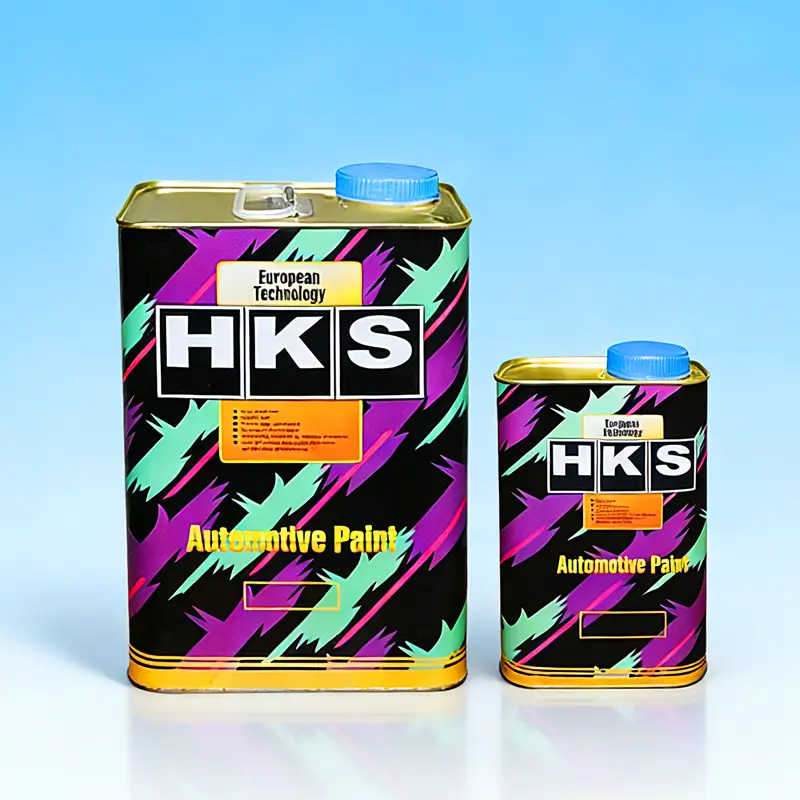
Why Automotive Clear Coat Peeling Happens
Automotive clear coat peeling is a common and costly problem for fleet owners, body shops, distributors, and repair professionals. Understanding why automotive clear coat peeling occurs — and how to prevent or repair it correctly — helps you protect vehicles, reduce rework, and win customer trust. This guide explains the root causes, practical fixes, and prevention best practices from a manufacturer’s perspective.
What do we mean by “automotive clear coat peeling”?
When the transparent topcoat separates from the underlying color or primer, it often appears as sheets or flakes of a clear, brittle film lifting away. This loss of adhesion is almost always a symptom of some failure in surface prep, chemistry, environment, or aging.
Core causes of automotive clear coat peeling
1. Poor surface preparation (the most frequent cause)
- Contaminants such as oil, wax, dirt, brake dust, rust, or residual polishing compound on the basecoat or primer create a barrier.
- Overly smooth or greasy old paint that wasn’t properly sanded or washed will not provide “tooth” for the new clear coat to anchor to.
- Incomplete removal of silicone or seam sealers can cause spot or widespread peeling.
2. Incorrect clear coat / hardener (curing agent) ratio
Clear coat systems require precise mixing ratios. Undercatalyzation leads to incomplete curing and low hardness; overcatalyzation can make the film brittle — both increase the risk of clear coat peeling.
3. Applying clear coat too soon (trapped solvents and gases)
If the color/basecoat hasn’t fully flashed or cured, residual solvents and moisture try to escape through the clear coat, causing bubbling and eventual delamination.
4. Environmental and process conditions
- High humidity, low temperature, or very high temperature during spraying or drying changes evaporation rates and crosslinking.
- Dust, airborne contaminants, or improper ventilation during application can compromise adhesion.
5. Low-quality materials or wrong product choice
- Using a low-grade clear coat with poor adhesion or poor UV resistance will accelerate peeling and yellowing.
- Mismatched product systems (mixing brands or incompatibly formulated basecoats and clears) can cause chemical incompatibility.
6. Aging, UV damage and chemical exposure
Long-term sun exposure, acid rain, road salts, or harsh cleaners gradually degrade the clear coat. Degraded, embrittled film is prone to cracking and peeling.
Professional repair options
1. Minor/localized peeling: Clean the area, feather-sand loose edges, apply an adhesion promoter if needed, and spot-spray with compatible basecoat and clear coat. Final polish and wax restore gloss. This is suitable for small flake or edge lifts.
2. Extensive or sheet peeling: When large sections peel, the correct long-term solution is a full respray of the affected panels (or entire vehicle if necessary). Proper stripping to sound substrate, thorough prep, and controlled application conditions are essential to prevent reoccurrence.
3. Temporary cosmetic fixes: Polishing and waxing can hide small early-stage lifts, but they do not restore adhesion.
Preventive best practices for shops and fleets
1. Enforce strict surface cleaning protocols: degrease, wipe with solvent, and use tack cloths after sanding.
2. Always follow manufacturer mixing ratios and pot lives. Measure hardener and clear by weight or calibrated cups.
3. Maintain controlled spray booth conditions—target temperature and humidity ranges appropriate for your chosen products.
4. Allow sufficient flash and dry time between coats; use forced air or oven drying when appropriate.
5. Use system-matched products or test compatibility before switching brands on a production scale.
6. Train staff on proper sanding profiles (grit steps), contamination control, and inspection routines.
Why choose SYBON for preventing and repairing clear coat issues?
SYBON balances robust product performance with competitive pricing and offers one-stop procurement for automotive refinish lines. Our clear coats and primers are formulated for reliable adhesion, UV resistance, and consistent cure characteristics to reduce the risk of automotive clear coat peeling in the field. Compared with big-name brands, SYBON delivers similar quality at a better value — an attractive option for distributors, wholesalers, and repair shops aiming to improve margins without sacrificing quality.
For agents, distributors and repair shop owners
SYBON is actively expanding its global distribution network. If you are an importer, wholesaler, fleet owner, or bodyshop owner seeking high-value automotive refinish products, we invite you to test our materials. Request samples for evaluation and see how SYBON can help you win local market share. Email us via the contact form on our website — we promise to respond within 24 hours. Let’s build a mutually profitable partnership.
Source of this article:https://www.supersybon.com/
Get to know us through more channels: