

Osmotic Blistering: Why Does Car Paint Bubble, and How Can You Prevent It?
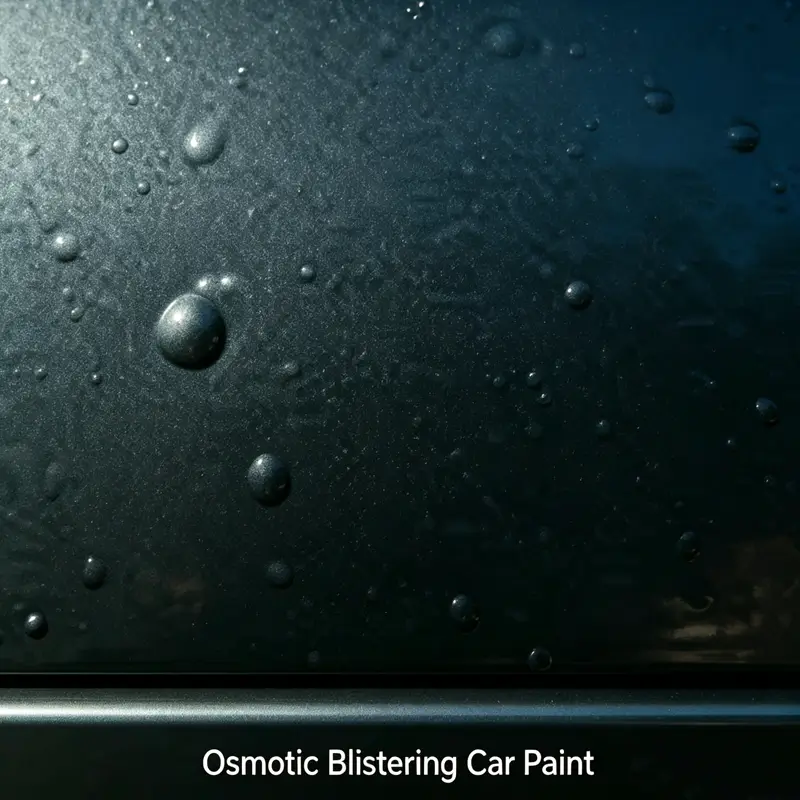
Osmotic blistering is a common paint defect in automotive refinishing where small bubbles, blisters, or raised spots appear on the painted surface. These defects not only ruin the appearance of the finish but can also signal deeper problems in the coating system. For import agents, wholesalers, distributors, fleet owners, and repair shops, osmotic blistering is more than a cosmetic issue—it can lead to customer complaints, rework costs, and a damaged reputation.
So, what causes osmotic blistering in automotive paint? In most cases, it comes down to poor substrate preparation, incorrect application, incompatible products, or unsuitable spraying conditions.
Why Does Osmotic Blistering Happen?
Car paint may look simple on the surface, but automotive refinishing is a highly technical process. If any step is handled improperly, defects can show up after spraying. Osmotic blistering usually develops when moisture, trapped solvents, or contamination become locked under the coating film and push the paint upward into blisters.
Below are the most common causes:
1. Poor substrate preparation and improper primer or filler application
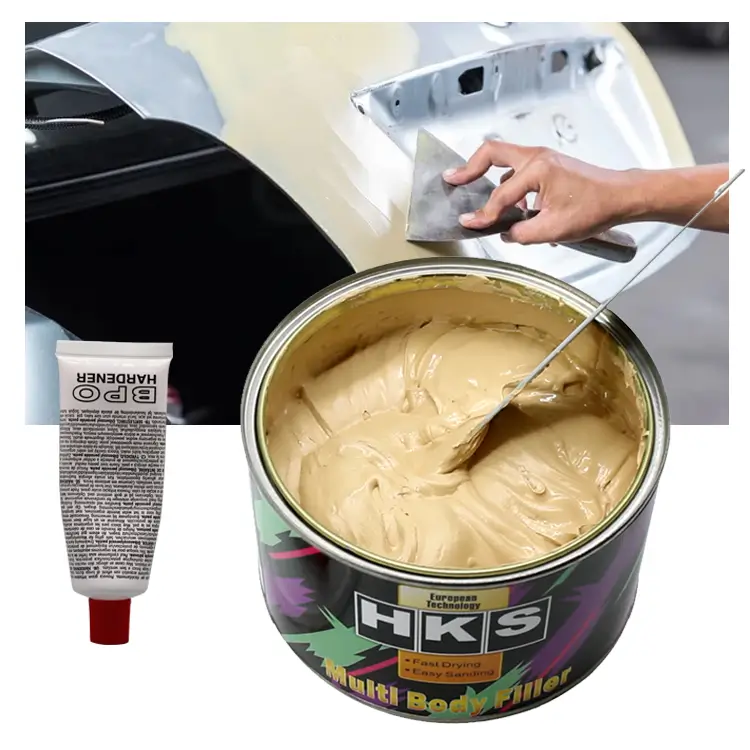
If the base surface is not cleaned, sanded, or repaired correctly, the coating will not bond properly. Improper use of primer or body filler can also trap moisture or create weak adhesion points.
2. Paint or clear coat applied too thick
Applying coatings too heavily may seem like a way to achieve better coverage, but thick layers slow solvent release and increase the chance of bubbles, swelling, or blistering.
3. Insufficient flash-off time between coats
Each coat needs enough time to release solvents before the next layer is applied. If the interval is too short, trapped volatiles can build pressure inside the film.
4. Low-quality or incompatible paint system
Using poor-quality paint, thinner, or hardener—or mixing products that are not designed to work together—can cause chemical instability and blistering problems.
5. Incorrect mixing or uneven stirring
If automotive paint is not mixed thoroughly, or if the ratio is wrong, the coating may cure unevenly and become vulnerable to surface defects.
6. High humidity or excessive temperature during spraying
When the spraying environment is too humid or too hot, the drying process becomes unstable. Moisture can be trapped in the coating, especially if the air is contaminated or the booth conditions are not controlled.
Osmotic Blistering Causes and Prevention Table
| Main Cause | What Happens | Prevention Method |
|---|---|---|
| Poor substrate preparation | Weak adhesion and trapped moisture | Clean, sand, and repair the surface properly before painting |
| Improper primer or filler use | Moisture retention and hidden defects | Use correct primer and filler based on technical data sheet |
| Coats applied too thick | Solvents cannot escape, causing bubbling | Apply multiple thin coats instead of one heavy coat |
| Insufficient flash-off time | Solvent entrapment between layers | Allow adequate drying time between coats |
| Low-quality or incompatible products | Chemical instability and coating defects | Use matched, high-quality coating systems |
| Incorrect mixing ratio | Uneven curing and weak paint film | Measure accurately and mix thoroughly |
| High humidity or temperature | Moisture trapped, unstable drying | Control spray booth temperature and humidity |
How to Prevent Osmotic Blistering in Automotive Refinishing
The best way to prevent osmotic blistering is to focus on the full coating process, not just the topcoat. Every layer matters.
First, prepare the substrate carefully. Remove dirt, grease, rust, and old failing coatings. Make sure the primer and filler are applied correctly and allowed to cure fully. Second, follow the manufacturer’s technical data sheet for each product. This includes mixing ratio, application method, flash-off time, and curing conditions. Third, avoid spraying too heavily. Thin, even coats perform better than one thick coat. Finally, keep the work environment under control. Proper ventilation, temperature, and humidity management are essential for a stable finish.
For professional users, prevention is always cheaper than repair. A blistered finish often requires sanding, refinishing, and additional labor, which increases costs and slows down delivery times.
Why SYBON Is a Smart Choice for Distributors and Repair Businesses
If you are looking for a price-effective and high-quality automotive paint manufacturer, SYBON is built for your business needs. As one of the leading automotive refinish manufacturers in China, SYBON focuses on products that combine reliable quality, competitive pricing, and one-stop procurement support.
Compared with major international brands, SYBON may not be the most widely known name, but its product quality is highly competitive and offers excellent value. For import agents, wholesalers, distributors, fleet operators, and repair shops, this means a stronger balance between performance and cost.
SYBON helps you build a stronger position in your local market by offering refinish products that support better margins and stable results. Whether you need paint, primer, clear coat, thinner, hardener, or other automotive refinishing products, SYBON can provide a complete solution for your business.
Who Should Work with SYBON?
SYBON is actively looking for global partners, including:
- Import agents
- Wholesalers
- Distributors
- Paint shop owners
- Auto repair center owners
- Fleet maintenance businesses
If you want to expand your product line with dependable automotive refinish products, SYBON is ready to support long-term cooperation. You can request samples for testing, evaluate the quality in your own market, and see how SYBON can help improve your business performance and profitability.
FAQ About Osmotic Blistering
1.What is osmotic blistering in car paint?
Osmotic blistering is a paint defect where bubbles or raised blisters appear on the surface because of moisture, trapped solvents, contamination, or poor coating application.
2.Is osmotic blistering the same as paint bubbling?
Yes, in automotive refinishing, the terms are often used similarly. Both describe bubbles or blisters forming under or within the paint film.
3.Can thick paint layers cause blistering?
Yes. Applying paint or clear coat too thickly can trap solvents and increase the risk of blistering.
4.How can I stop osmotic blistering from happening again?
Use proper substrate preparation, follow the correct mixing ratio, allow enough flash-off time, and choose compatible coating products from a trusted manufacturer.
Why should distributors choose SYBON?
SYBON offers competitive pricing, stable product quality, and one-stop automotive refinish supply for businesses that want stronger market competitiveness and better profit potential.
Final Thoughts
Osmotic blistering is a preventable problem, but only when every step of the refinishing process is done correctly. From substrate preparation to coating selection, from mixing ratio to drying conditions, details matter. For businesses that want dependable quality and a better value proposition, SYBON offers a practical solution for automotive refinish supply.
Are you a distributor, paint shop owner, or repair business looking for a reliable automotive paint partner? Contact SYBON through our website, request samples, and let’s build success together. We will get back to you within 24 hours.
Source of this article:https://www.supersybon.com/
Get to know us through more channels: