

How to Choose the Most Suitable Car Putty for Each Repair
Choosing the right car putty for each repair is one of the most important steps in achieving a smooth, durable, and professional-looking finish. The wrong choice can lead to cracking, shrinking, poor adhesion, or a visible repair mark after painting.
Whether you are working in an auto body shop, managing a repair center, or sourcing materials as an importer or distributor, understanding the differences between polyester putty, fiberglass putty, and metal putty can help you choose the most suitable product for every repair job.
This guide explains the main types of car putty, when to use them, how to apply them correctly, and what mistakes to avoid.
What Is Car Putty?
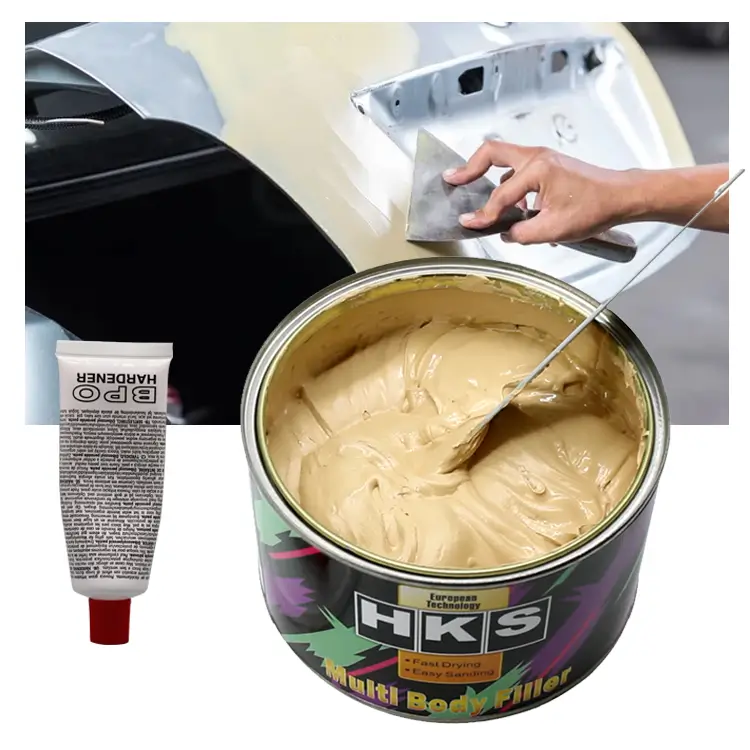
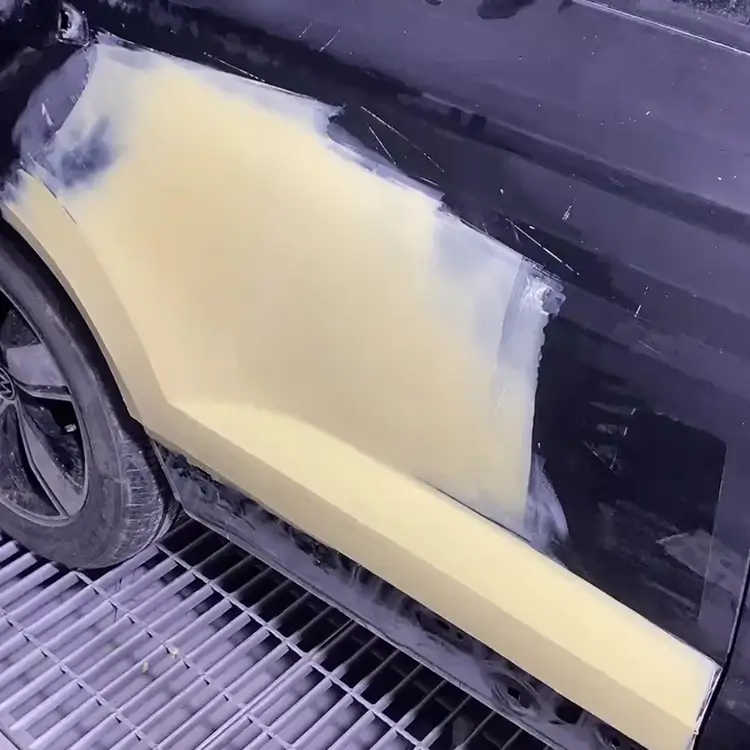
Car putty, also called body filler, is a repair material used to fill dents, scratches, holes, and surface imperfections on vehicle panels. It is usually applied after sanding and before priming and painting.
The best car putty should offer:
- Strong adhesion
- Easy sanding
- Low shrinkage
- Good durability
- Compatibility with the repaired surface
Because different repairs require different performance levels, choosing the right type of putty is essential.
Car Putty Types: Quick Comparison
| Type of Car Putty | Best For | Main Advantages | Main Limitations |
|---|---|---|---|
| Polyester Putty | Small to medium dents, general repairs | Easy to apply, easy to sand, cost-effective | Not suitable for high-stress areas |
| Fiberglass Putty | Large holes, rust repair, reinforced areas | High strength, crack-resistant, durable | Harder to sand, higher cost |
| Metal Putty | Metal panels, heat-resistant repairs | Excellent adhesion, heat resistance, durable | More difficult to apply, more expensive |
This table makes it easier to match the right car putty to the right repair.
1. Polyester Putty: The Most Common Choice
Polyester putty is the most widely used type of body filler in automotive repair. It is versatile, easy to mix, and simple to sand, which makes it a practical option for many everyday repair jobs.
Best for:
- Small dents
- Minor scratches
- General surface leveling
- Repair work before primer and paint
Advantages:
- Easy to apply
- Smooth sanding performance
- Suitable for many repair situations
- Cost-effective for workshops and distributors
Limitations:
- Not ideal for areas under heavy stress
- May shrink if applied too thickly
- Less suitable for structural or reinforced repairs
For most standard bodywork, polyester putty is a reliable and efficient solution.
2. Fiberglass Putty: Best for Strength and Reinforcement
Fiberglass putty contains fiberglass strands, which give it added strength and durability. This makes it a better choice for repairs that need reinforcement or extra resistance to cracking.
Best for:
- Large dents
- Rust-damaged panels
- Holes and perforations
- High-vibration areas
Advantages:
- Stronger than standard polyester putty
- Better resistance to cracking
- Good for larger and deeper repairs
- Useful when additional reinforcement is needed
Limitations:
- Harder to sand
- Requires more skill during application
- Usually more expensive than standard putty
If the damaged area needs both filling and reinforcement, fiberglass putty is often the better choice.
3. Metal Putty: Ideal for Metal Surface Repairs
Metal putty, sometimes called aluminum putty or steel putty, contains metallic particles that improve adhesion and durability. It is designed for repairs on metal surfaces and is especially useful when the repair area must handle heat, stress, or repeated vibration.
Best for:
- Metal panels
- Minor imperfections on steel or aluminum surfaces
- Repairs that require added durability
- Heat-exposed areas
Advantages:
- Strong adhesion to metal
- Durable and resistant to stress
- Suitable for demanding repair conditions
Limitations:
- More difficult to work with
- Higher material cost
- Usually not necessary for simple cosmetic repairs
When repair performance matters more than ease of sanding, metal putty can be a smart option.
How to Choose the Most Suitable Car Putty
The best car putty depends on the repair situation, the surface material, and the durability required.
1. Evaluate the Type of Damage
For light dents and small surface defects, polyester putty is usually enough. For larger damage, holes, or rust repair, fiberglass putty is often better. For metal-specific repairs, metal putty may provide the best result.
2. Consider the Surface Material
The repaired surface matters. Polyester putty works on many surfaces, but metal putty may perform better on steel or aluminum panels. Fiberglass putty is useful when reinforcement is required.
3. Think About Durability
If the area will face vibration, heat, or repeated stress, choose a stronger filler. Fiberglass and metal putties generally offer better long-term performance than standard polyester putty.
4. Balance Ease of Use and Performance
For beginners or fast-turnaround jobs, a product that is easy to mix and sand may be more practical. For premium repairs, durability and adhesion should take priority.
5. Compare Cost and Application Efficiency
Polyester putty is usually the most economical choice. However, a stronger filler may reduce rework, save labor time, and improve customer satisfaction in the long run.
Step-by-Step Application Tips for Car Putty
Even the best car putty will not perform well without proper application. Follow these steps to improve repair quality.
Step 1: Surface Preparation
Clean the surface thoroughly and remove rust, dirt, grease, and loose paint. Sand the area to create a rough surface for better adhesion.
Step 2: Correct Mixing
Mix the putty with the recommended hardener ratio. Improper mixing can cause poor curing, weak spots, or uneven surface results.
Step 3: Apply in Thin Layers
Avoid applying too much putty at once. Thin layers reduce the risk of air bubbles, cracking, and shrinkage.
Step 4: Sand After Curing
Once cured, sand the putty carefully. Start with a coarser grit and move to a finer grit to achieve a smooth finish.
Step 5: Prime Before Painting
After sanding, clean the surface again and apply primer before painting. This improves paint adhesion and helps create a uniform final finish.
Common Mistakes to Avoid
Many repair problems happen because of simple application errors.
1.Over-application
Applying too much putty in one layer can cause cracking, sinking, or uneven curing.
2.Poor Mixing
Incorrect mixing ratios can weaken the final repair and reduce durability.
3.Weak Surface Preparation
If the surface is dirty or oily, the putty may not bond properly.
4.Incorrect Sanding
Using the wrong sanding sequence can leave high spots, low spots, or visible repair marks.
Avoiding these mistakes helps improve both appearance and long-term repair quality.
Which Car Putty Should You Use?
Use this simple guide:
- Polyester putty: best for small to medium cosmetic repairs
- Fiberglass putty: best for large damage, rust repair, and strengthened areas
- Metal putty: best for metal surfaces and high-durability needs
This makes the selection process faster and more accurate for repair professionals and buyers.
FAQ: Choosing the Right Car Putty
1.What is the difference between car putty and body filler?
Car putty and body filler usually refer to the same type of automotive repair material used to fill dents and imperfections before painting.
2.Which car putty is best for small dents?
Polyester putty is usually the best choice for small dents because it is easy to apply and sand.
3.Can fiberglass putty be used on metal?
Yes, fiberglass putty can be used on metal in some repair situations, especially when added strength is needed. However, surface preparation is very important.
4.Is metal putty better than polyester putty?
Not always. Metal putty is stronger and more durable for certain repairs, but polyester putty is easier to use and more suitable for general bodywork.
5.How thick should car putty be applied?
Car putty should be applied in thin layers. Thick application increases the risk of shrinking, cracking, and poor curing.
6.Why does car putty crack after repair?
Cracking is often caused by poor mixing, applying too much material at once, or using the wrong product for the repair type.
7.How do I choose the most suitable car putty for each repair?
Start by checking the damage type, the surface material, and the durability required. Then select polyester putty, fiberglass putty, or metal putty based on those needs.
Conclusion
Choosing the most suitable car putty for each repair is not just about filling damage. It is about matching the right product to the right repair condition to ensure lasting results, better appearance, and smoother painting.
For small cosmetic repairs, polyester putty is often the best option. For stronger and larger repairs, fiberglass putty provides extra reinforcement. For metal surfaces and high-durability requirements, metal putty can deliver excellent performance.
By understanding the differences between these products and applying them correctly, repair professionals can achieve higher-quality results and reduce rework.
If you are interested in our automotive putty products, samples are available for testing. Importers, distributors, paint shop owners, and automotive repair center owners are welcome to contact us through our website for more information.
Source of this article:https://www.supersybon.com
Get to know us through more channels: