
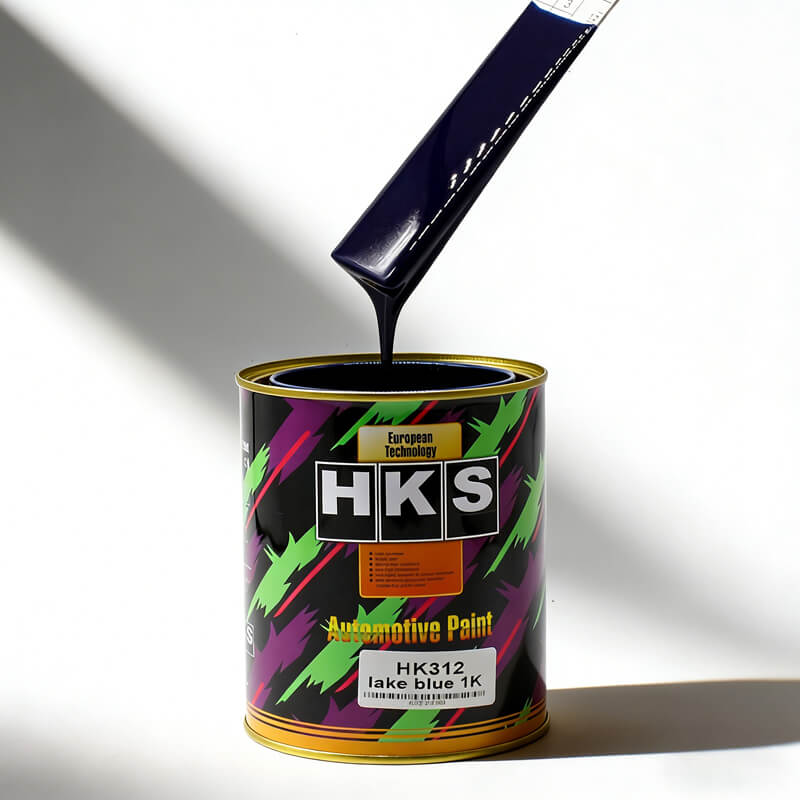
Winter Automotive Spray Painting — From Substrate Prep to Cure Acceleration
Winter automotive spray painting brings a familiar set of challenges: colder air, higher relative humidity, slower solvent evaporation and chemical cure, and a greater risk of defects such as blushing, poor adhesion, hazing or orange peel. For import agents, wholesalers, dealers, fleet owners and collision repair shops who need reliable, repeatable results year-round, understanding how to adapt the full workflow — from substrate preparation through spray technique and cure acceleration — is essential. This article explains practical, field-tested steps to achieve high-quality winter finishes and highlights how SYBON’s product range and one-stop service support your seasonal needs.
Why winter conditions matter for automotive repainting
When temperatures drop — especially below about 10°C (50°F) — paint viscosity increases, solvent evaporation slows, and chemical crosslinking in modern primers, basecoats and clearcoats is delayed. Increased humidity raises the risk of surface condensation and solvent-induced whitening (blushing). All these effects hurt film formation, adhesion and final gloss. The good news: these are manageable with a combination of good shop practice, material selection and targeted curing strategies.
1) Substrate preparation: the non-negotiable first step
Proper winter automotive spray painting always starts with excellent substrate prep:
1. Move vehicles to a dry, temperature-controlled area where possible. Even a modestly heated bay prevents condensation and keeps relative humidity lower around the vehicle.
2. Thorough cleaning and degreasing. Use a dedicated automotive de-greaser and wax/grease remover; cold surfaces collect oils and moisture more readily. Clean, dry surfaces are the only way to ensure primer and paint adhesion.
3. Dry the surface after cleaning — use warm air blowers or heat lamps briefly (not to overheat) so water does not remain trapped in seams or panel interfaces.
4. Sand and abrade as required, then immediately proceed to primer or sealer application to minimize re-contamination. In winter, the window between sanding and coating should be kept short.
2) Adjust spray materials and mixing for low temperatures
Paint behavior changes in cold weather, so adapt your material choices:
1. Select low-temperature reducers and additives. SYBON offers reducers and low-temperature-ready products designed for improved flow and atomization at reduced temperatures.
2. Adjust thinner ratios carefully. Increase reducer slightly to lower viscosity and improve atomization — but avoid over-thinning, which reduces film build and can increase sagging risk when parts are heated during curing.
3. Use products rated for low-temp application. Many modern primers and basecoats are formulated to perform in colder workshops; choose systems with documented performance in low temperatures.
4. Mix catalysts and hardeners appropriate for winter. Faster-reacting or low-temp accelerators (where compatible with the system) can reduce dry/cure time without sacrificing film properties.
3) Spray technique and environment control
Small changes in application make a big difference:
1. Raise spray pressure slightly (within gun and product recommendations) to improve atomization of thicker cold paint.
2. Allow longer flash times between coats. Solvents evaporate slower in low temperatures; extending flash time reduces solvent entrapment that causes whitening or fisheyes.
3. Apply thinner coats and more passes. Several light coats build an even film with less risk of runs and better leveling than thicker single coats in cold air.
4. Control ambient humidity. Use dehumidifiers in the booth or temporary enclosures to lower relative humidity during painting.
4) Curing: accelerate without sacrificing quality
Achieving proper cure is the final and most critical step:
1. Use infrared (IR) lamps or low-temperature bake ovens when available. Targeted IR heating shortens tack and cure times and improves crosslink density, restoring hardness and gloss faster.
2. Select faster-curing hardeners or accelerators that are compatible with the chosen basecoat/clearcoat. These improve chemical reaction rates in cold shops where oven baking isn’t possible.
3. Avoid over-aggressive heat. Heat should be controlled and even to prevent solvent popping or surface stress.
4. Plan post-cure handling times longer than at room temperature unless active heating is used. Proper cure time protects against early damage during handling, polishing or shipping.
5) Quality control and inspection
1. Inspect for blushing, hazing, runs and adhesion issues prior to polishing. Address visible defects early: scuff, clean and recoat if necessary.
2. Record batch, reducer, hardener and ambient conditions for each job — this improves repeatability across teams and seasons and helps you optimize recipes for your facility.
Why SYBON helps you win in winter conditions
SYBON understands the seasonal pressures facing distributors and bodyshops. Our winter-ready product lines — from primers and sealers to basecoats, clears and specially formulated low-temperature reducers and hardeners — balance cost-efficiency with high performance. We offer a one-stop procurement solution so agents and wholesalers can standardize on a reliable system that saves time and minimizes rework.
Compared to big-name brands, SYBON may not carry the same global brand recognition — but our formulations aim to match their performance while offering a significantly better price-to-quality ratio. That makes SYBON an attractive choice for businesses wanting to compete aggressively on price without compromising finish quality.
Call to action for agents, dealers and repair shop owners
SYBON is actively seeking global agents and distributors. If you’re an importer, dealer, fleet manager or repair shop owner looking to improve margins and finish quality this winter, request SYBON samples for testing. We provide comprehensive product support and a true one-stop selection of automotive refinish products. Contact us via our website and send an inquiry — we will respond within 24 hours to discuss samples, pricing and partnership opportunities. Let SYBON help you deliver consistent, high-quality winter automotive spray painting results and grow your business.
Source of this article:https://www.supersybon.com/
Get to know us through more channels: