
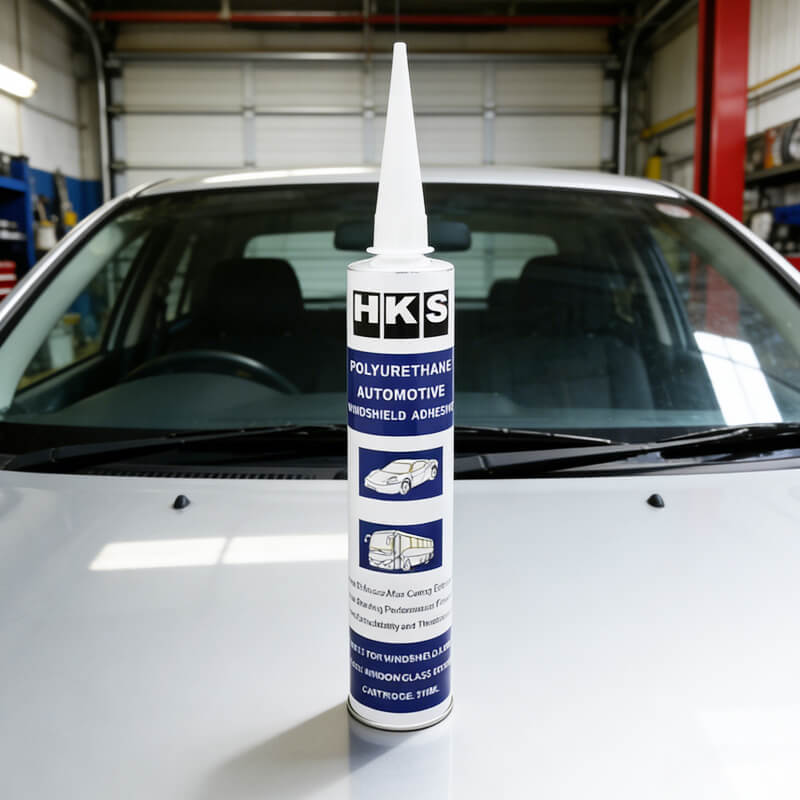
How to properly seal a windshield?
Sealing a windshield correctly is more than a cosmetic task — it’s a safety-critical operation. A properly bonded windshield contributes to the structural integrity of the vehicle, helps the airbags function as designed, prevents water leaks and wind noise, and protects occupants from the elements. Whether you’re a professional technician in a bodyshop, a fleet maintenance manager, or a savvy distributor learning about products for your customers, understanding the correct steps, materials, and quality checks is essential. Below is a practical industry-focused guide on how to properly seal a windshield, followed by information about SYBON’s Polyurethane Automotive Windshield Adhesive and how we support distributors, repair shops, and OEM partners.
1. Preparation: the foundation of a reliable seal
Preparation is the most important phase. Contaminants such as oil, grease, moisture, silicone residues, and old adhesive films will reduce adhesion and cause leaks or premature failure.
- Remove old adhesive and glass residues. Carefully cut and remove the existing sealant and clean the pinch weld or channel. Use non-abrasive tools to avoid damaging metal or painted surfaces.
- Inspect the flange and glass. Check for rust, deformation, or cracked glass. Repair any rust or structural issues before attempting a replacement.
- Clean with appropriate cleaners. Use a non-antistatic glass cleaner when planning a primer-less application. Both the glass and the bonding flange must be free of contaminants, moisture, and film residues.
- Assess environmental conditions. Ideal conditions are dry, dust-free, and within the manufacturer’s recommended temperature and humidity ranges. Avoid sealing in heavy rain or extreme cold unless cures and materials are rated for those conditions.
- Personal protective equipment (PPE). Wear gloves, safety glasses, and follow local safety practices for handling adhesives and solvents.
2. Choosing the right adhesive
Not all adhesives are created equal. For windshield bonding, elasticity, elongation, good initial tack, and long-term adhesion are key characteristics. Polyurethane adhesives are widely used because they provide a durable, elastic bond that absorbs vibration and thermal expansion between glass and vehicle body.
When selecting a product, check:
- Whether primer-less application is possible — this simplifies operations but requires very clean surfaces.
- Cure speed and skin-over time so you can schedule tooling and vehicle delivery.
- Elasticity after curing — softer adhesives accommodate movement and reduce stress on glass.
- Extrudability and non-sag properties for neat, consistent beads during application.
3. Application: correct technique matters
Follow these practical steps to ensure a solid bond:
1. Apply primer if required. If the adhesive or vehicle manufacturer recommends primer, apply it to the flange and/or glass as instructed. For primer-less adhesives, ensure you used a non-antistatic glass cleaner and that surfaces are immaculate.
2. Load the adhesive correctly. Use a clean, compatible dispensing gun and nozzle. Cut the nozzle to the manufacturer’s recommended bead size for the specific vehicle.
3. Form a correct bead. Apply a continuous, uniform bead around the perimeter of the windshield opening. Avoid breaks or uneven thickness which can cause leaks.
4. Set the windshield carefully. Position the glass, then press firmly and evenly along the flange to ensure full contact with the bead. Avoid shifting the glass once it contacts the adhesive — this can create gaps or thin spots.
5. Tooling and tape. If needed, tape the windshield in place and tool excess adhesive for a neat finish. Excess adhesive can be trimmed after curing according to product instructions.
6. Curing and handling times. Respect the adhesive’s recommended curing time before moving the vehicle, driving at speed, or exposing the vehicle to moisture. Curing depends on temperature, humidity, and bead thickness.
4. Final checks and quality assurance
- Leak test. After curing, conduct a water infiltration test to confirm a watertight seal.
- Visual inspection. Check for consistent bead contact and no voids or gaps.
- Road-test for wind noise. Drive at moderate speeds to confirm there are no whistling or vibration issues.
- Documentation. Record the adhesive batch, application date, and technician for traceability and warranty support.
SYBON’s solution: Polyurethane Automotive Windshield Adhesive
As a professional Automotive Adhesive Sealant supplier, SYBON provides high-performance sealing solutions tailored to the needs of bodyshops, repair centers, fleet operators, dealers, and distributors. Our Polyurethane Automotive Windshield Adhesive is designed specifically for windshield, side, and rear window bonding with features that make it suitable for demanding professional use:
DESCRIPTION:
Polyurethane Automotive Windshield Adhesive is a one-component moisture-curable polyurethane sealant. It offers excellent bonding and sealing performance, with no corrosion or pollution to substrates. The adhesive is environmentally friendly, formulated to avoid bubbles during application, and delivers a smooth, fine appearance when finished.
KEY POINTS & PROPERTIES:
- Excellent softness after curing — easy to cut and convenient for future replacement.
- Excellent bonding performance and primer-less capability when the glass is prepared using a non-antistatic glass cleaner (note: proper surface preparation is essential).
- Outstanding extrudability and thixotropy with non-sag properties for clean, consistent beads.
APPLICATIONS:
Specifically suitable for windshield and side & back window glass bonding across a wide range of vehicles and repair scenarios.
Why partner with SYBON?
SYBON is a professional Automotive Adhesive Sealant supplier based in China, offering high-quality products and one-stop procurement solutions. We serve vehicle manufacturers, distributors, paint shops, fleet owners, and repair shops. We are actively seeking global distributors and are eager to work with partners who want to expand their product offering in automotive refinish and glass bonding.
If you are an agent, paint shop owner, repair center manager, or distributor interested in becoming a SYBON partner, request samples for testing — we encourage you to evaluate our adhesive in your real-world environment. Send us an email through our website and we will contact you within 24 hours to discuss samples, pricing, and partnership terms.
Sealing a windshield correctly combines proper technique, high-quality materials, and thorough inspection. With the right process and a reliable adhesive like SYBON’s Polyurethane Automotive Windshield Adhesive, you’ll deliver secure, durable bonds that protect customers and vehicles for years to come.
Source of this article:https://www.supersybon.com/
Get to know us through more channels: