

Fiberglass Body Filler vs Bondo: Which Is Better for Auto Repair Projects?
When choosing the right material for automotive repair, two products often come up in the same conversation: fiberglass body filler and Bondo. For import wholesalers, paint shop owners, and auto repair center managers, understanding the differences between these two options is important for cost control, repair quality, and customer satisfaction.
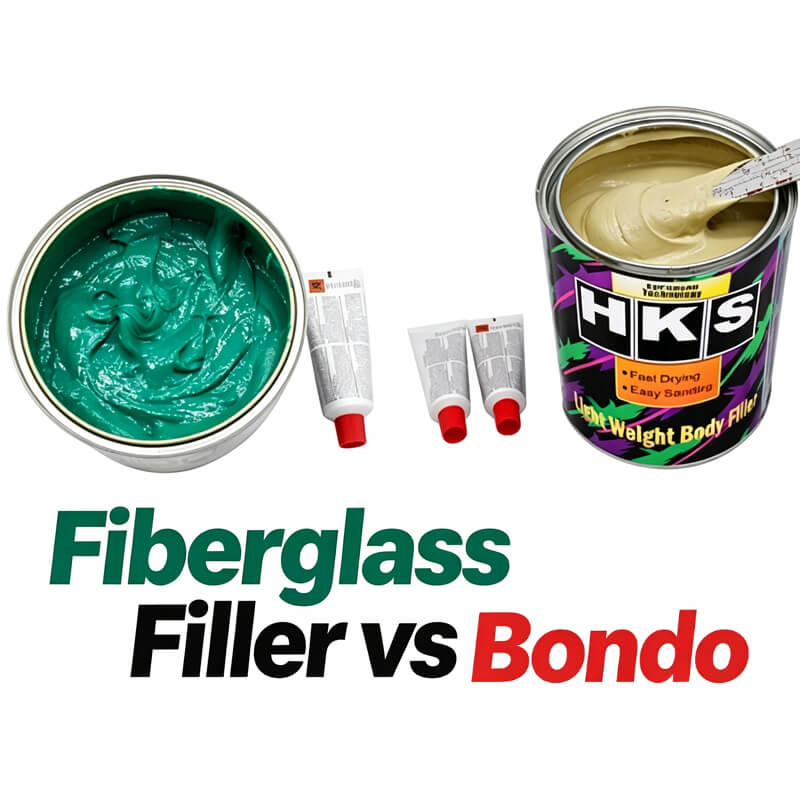
Although both materials are used in body repair, they are not designed for exactly the same purpose. Fiberglass body filler is typically chosen for stronger repairs, while Bondo is widely used for smoother finishing and cosmetic repairs. The best choice depends on the damage, the repair goal, and the level of durability required.
In this guide, SYBON explains the key differences between fiberglass body filler and Bondo so you can choose the most suitable product for your business and your customers.
What Is Fiberglass Body Filler?
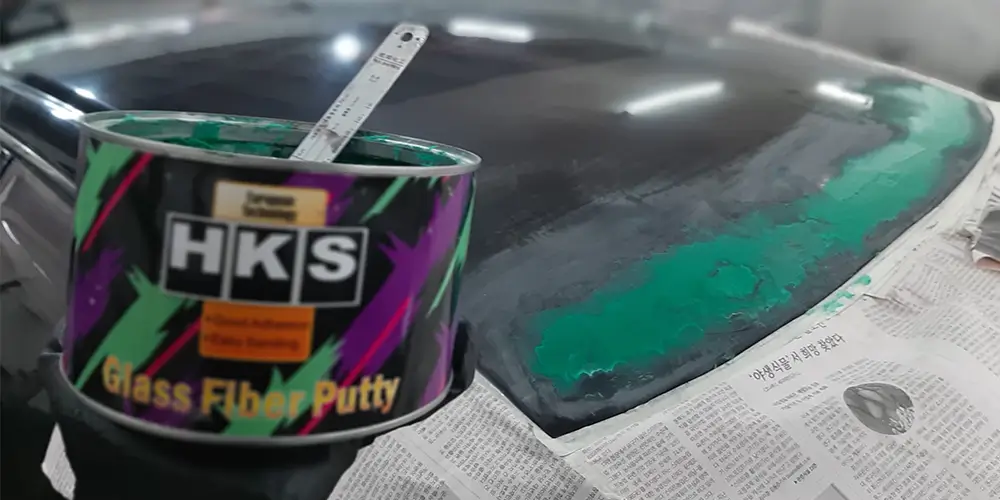
Fiberglass body filler is an auto body repair material made with polyester resin and fiberglass strands. The fiberglass reinforcement gives the filler extra strength, better crack resistance, and improved durability compared with standard body filler.
This product is often used for:
- Rusted areas
- Small holes
- Deep damage
- Structural reinforcement
- Areas that may flex or vibrate
Because of its strength, fiberglass body filler is often the preferred choice for repairs that need more support than a regular filler can provide.
What Is Bondo?
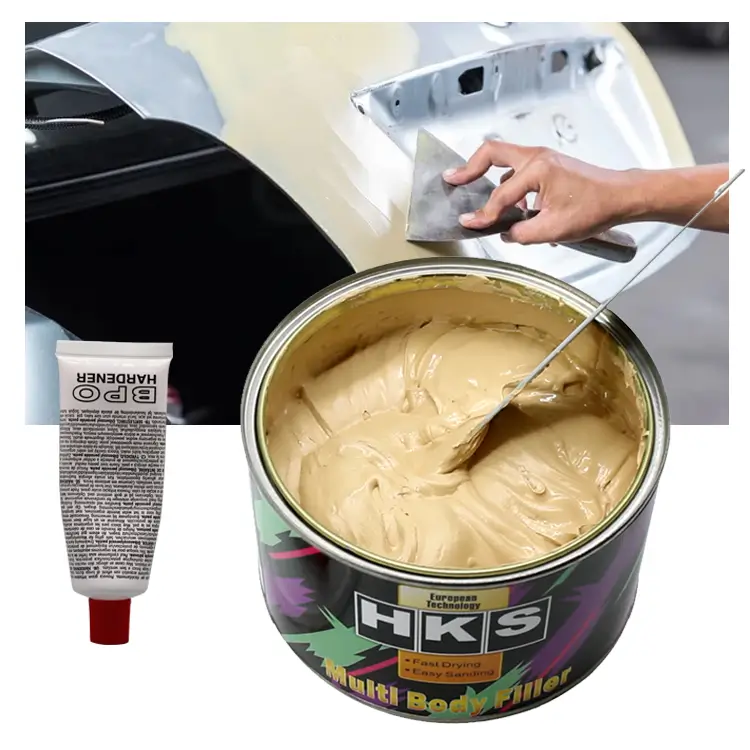
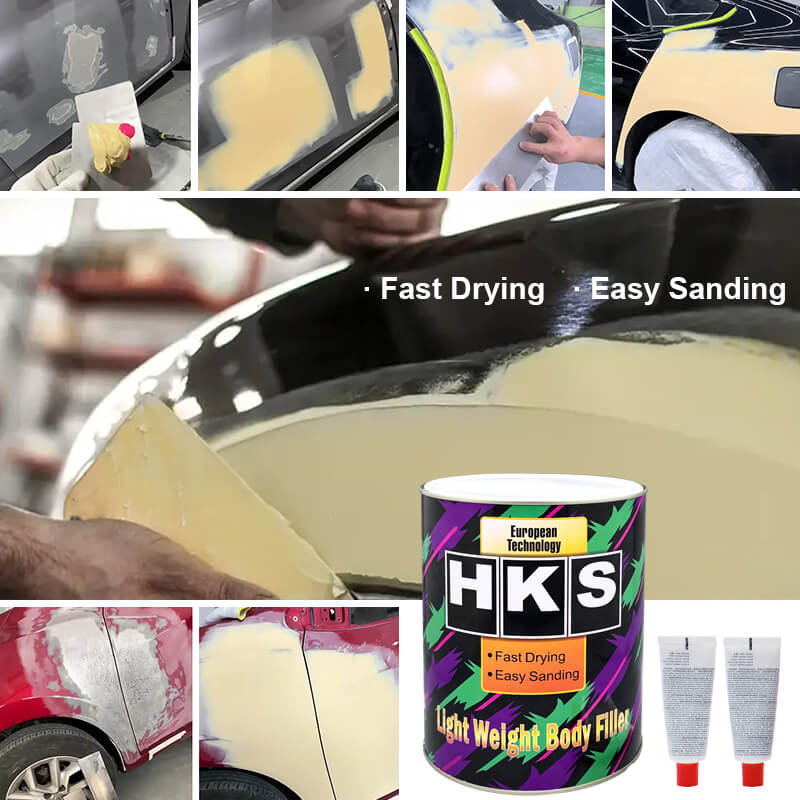
Bondo is a widely recognized brand name that many people use to refer to standard body filler. In general, Bondo-type products are polyester-based fillers used to repair dents, scratches, and surface imperfections.
These fillers are popular because they are:
- Easy to mix
- Easy to apply
- Easy to shape and sand
- Suitable for cosmetic repairs
- Cost-effective for everyday work
Bondo is commonly used for shallow dents, surface leveling, and finishing work before painting.
Fiberglass Body Filler vs Bondo: Key Differences
| Feature | Fiberglass Body Filler | Bondo / Standard Body Filler |
|---|---|---|
| Strength | Higher strength and better reinforcement | Good for normal cosmetic repairs |
| Best Use | Rust, holes, deep damage, flex-prone areas | Dents, scratches, smoothing surfaces |
| Sanding | Harder to sand and shape | Faster and easier to sand |
| Finish Quality | Strong base layer, not always ideal as final finish | Smoother finishing surface |
| Durability | Excellent for long-term repair performance | Good for everyday repair jobs |
| Cost | Usually higher | Usually more affordable |
| Workability | More rigid and less flexible | Easier for fast workshop use |
Which One Should You Choose?
Choose Fiberglass Body Filler When:
Fiberglass body filler is the better choice when the repair requires extra strength. It works well for damaged panels, rust holes, and areas that need reinforcement before finishing.
It is especially suitable for:
- Deep body damage
- Rust repair
- Hole filling
- Areas with movement or vibration
- First-stage repair on weakened panels
Choose Bondo When:
Bondo is the better choice for smooth cosmetic repairs. If the goal is to restore the shape of the panel and prepare it for primer and paint, Bondo is usually faster and easier to use.
It is especially suitable for:
- Shallow dents
- Small scratches
- Surface leveling
- Final shaping before painting
- High-volume repair work
Comparison by Business Type
For import wholesalers, both products should be part of a balanced repair supply portfolio. Fiberglass body filler serves customers who need stronger solutions, while Bondo appeals to workshops that prioritize speed and ease of use.
For paint shop owners, Bondo is often the more common daily-use product because it sands smoothly and supports a clean finishing process. Fiberglass filler is still important for repair jobs that begin with damaged or weakened metal.
For auto repair center managers, offering both options helps technicians choose the right product based on damage level. This improves efficiency, reduces rework, and supports better repair results.
Why the Right Filler Matters
Using the wrong filler can lead to cracking, poor adhesion, wasted labor, and customer complaints. A strong repair starts with choosing the right material for the job.
Fiberglass body filler helps with strength and reinforcement. Bondo helps with shaping and finishing. In many repair workflows, both products may be used together: fiberglass filler for the base repair and standard body filler for the final smooth layer.
That combination often delivers the best balance of durability and appearance.
SYBON’s View on Fiberglass Body Filler and Bondo
At SYBON, we understand that different customers have different repair needs. That is why we supply body repair solutions designed for professional use, including products suitable for strength-focused repairs and smooth finishing applications.
For import wholesalers, this means more flexibility in product selection. For paint shops and auto repair centers, it means better repair performance and a more reliable workflow.
Whether your priority is durability, workability, or value, choosing the right body filler helps your business deliver better results and stronger customer trust.
Practical Tips for Better Results
To get the best result from either product, follow a professional repair process:
- Clean the surface thoroughly before application
- Remove rust, dirt, oil, and loose paint
- Mix the filler correctly according to product instructions
- Apply thin layers instead of one thick layer
- Allow enough curing time before sanding
- Use the correct grit sequence for shaping and finishing
- Apply primer before final paint
These steps improve adhesion, reduce sanding problems, and help create a better paint-ready surface.
FAQ
1. Is fiberglass body filler stronger than Bondo?
Yes. Fiberglass body filler is generally stronger because it contains fiberglass strands that improve reinforcement and crack resistance.
2. Is Bondo the same as body filler?
In many markets, “Bondo” is used as a common name for standard body filler, although it is originally a brand name.
3. Can fiberglass body filler be used as a final surface layer?
It can be used as a base repair layer, but it is usually not the best final finishing material because it is harder to sand than standard body filler.
4. Which product is easier to sand?
Bondo or standard polyester body filler is usually easier to sand and shape than fiberglass body filler.
5. Which is better for rust repair?
Fiberglass body filler is usually better for rust repair, especially when the damaged area needs strength or partial reinforcement.
6. Can both products be used in the same repair?
Yes. Many professionals use fiberglass body filler first for strength and then use a standard body filler for smoothing and finishing.
Source of this article:https://www.supersybon.com
Get to know us through more channels: